Indoor Saffron Farming
If you are planning saffron cultivation, always keep export quality in mind from day one. Indian saffron is primarily exported to Spain, Italy, France, UAE, USA, and Gulf countries, where buyers demand- High crocin content (deep red color), Strong safranal aroma, Very low moisture, Zero contamination or adulteration

Variety
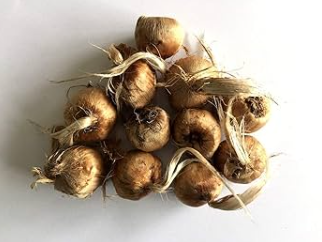
Saffron is not grown from true seeds. You must use corms for cultivation. Common commercial varieties include Kashmiri, Iranian, and Spanish strains. For indoor saffron farming, select medium to large corms weighing between 8 and 12 grams.
Why size matters:
- Larger corms produce more flowers
- Flower count directly impacts stigma yield
- Bigger corms result in better-quality saffron
Always choose firm corms with no soft spots, cuts, or fungal marks.
Production
1. Unit Preparation
- Disinfect the entire room, racks, and trays
- Use plastic trays instead of wood to reduce fungal risk
- Ensure good air circulation
- Keep the room completely clean before every cycle
2. Placement of Corms
- Place corms upright in trays
- Do not use soil
- Maintain enough spacing to allow airflow
- Avoid any direct watering
4. Climate Control
- Gradually adjust temperature to break dormancy
- Maintain stable humidity
There should be strict hygiene inside the saffron unit to minimise disease risk. Entry should be restricted, and anyone entering must wear masks and use sanitisers. In case of a fungal infection, the affected bulbs should be immediately isolated from healthy ones and treated with neem oil to prevent further spread.
One cycle generally takes six to eight weeks.
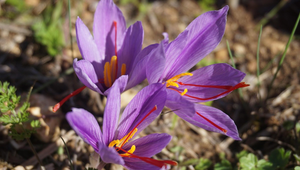
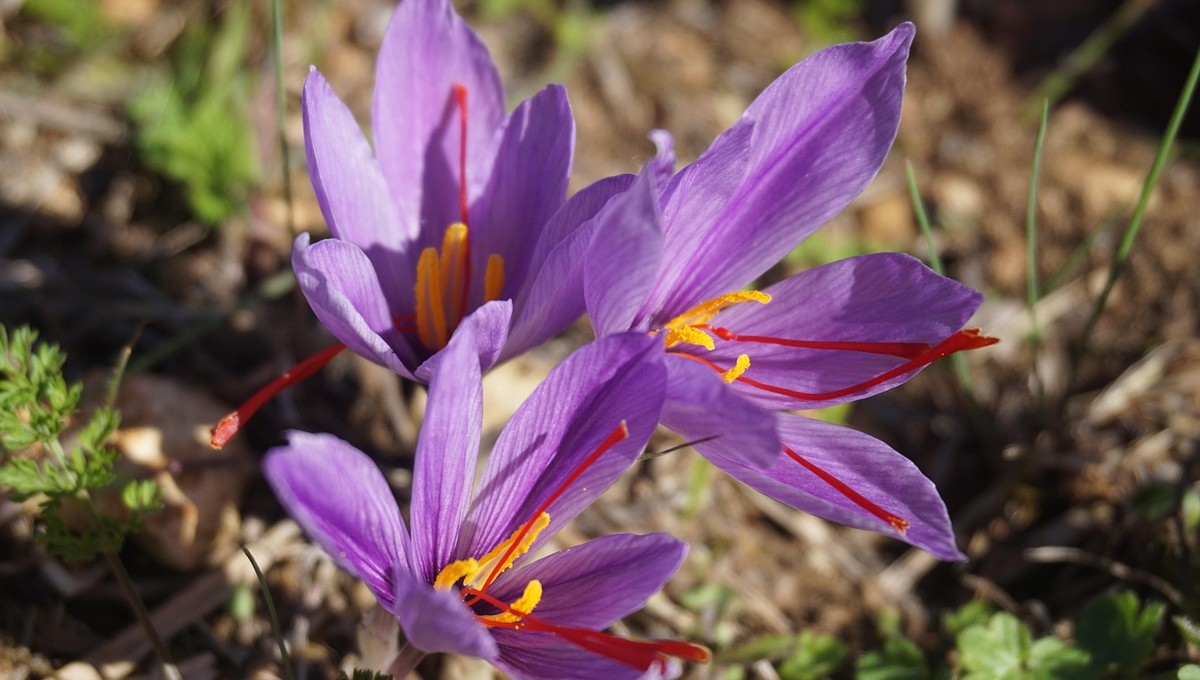
Flowering - The process begins with dormancy breaking, which you achieve by slowly lowering the room temperature to trigger internal activity within the corm. Once dormancy is broken, flower buds start developing inside the corm without any visible external growth. After this stage, purple saffron flowers emerge directly from the corm without leaf formation. The plant then reaches the full bloom stage, which is very short and usually lasts only one to two days. Flowers must be removed before wilting begins to preserve stigma quality.
Harvesting
is the most sensitive and value-determining stage of saffron farming. Harvest the flowers early in the morning on the same day they bloom. Hold each flower gently and pluck it carefully to avoid damaging the stigmas.
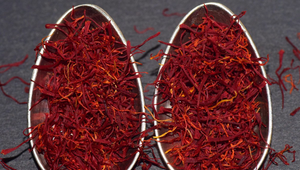
Separate only the red stigmas by hand and immediately remove all yellow and white portions to maintain high quality. Collect the stigmas in clean, dry containers and transfer them for drying without any delay. Never wash the stigmas with water, as moisture reduces crocin content and shelf life.
All parts of the saffron flower have market value if handled properly. The deep red stigmas are sold as premium-grade saffron. The yellow and light orange parts, known as styles can be sold separately at a lower price for use in herbal products. The dried purple petals are sometimes sold for natural dyes, herbal teas, or cosmetic formulations.
Once harvesting is completed, focus on multiplying saffron corms for the next cycle. This process takes place in soil or cocopeat and generally lasts close to four months. During this time, each corm divides to form two daughter corms, which can be stored and planted again, reducing the need for fresh planting material.
Technical Parameters You Must Maintain-
Temperature: 15–20°C during flowering
Relative humidity: 60–70%
Use cooling systems in warm climates
Ensure continuous air circulation
Avoid direct watering of corms
Do not apply fertilizers during flowering
Sanitize trays and rooms before each cycle
Remove infected corms immediately
Saffron farming gives the best results when quality is the first priority. With clean practices, proper climate control, and careful harvesting, growers can produce export-grade saffron and build a profitable, sustainable business over time.