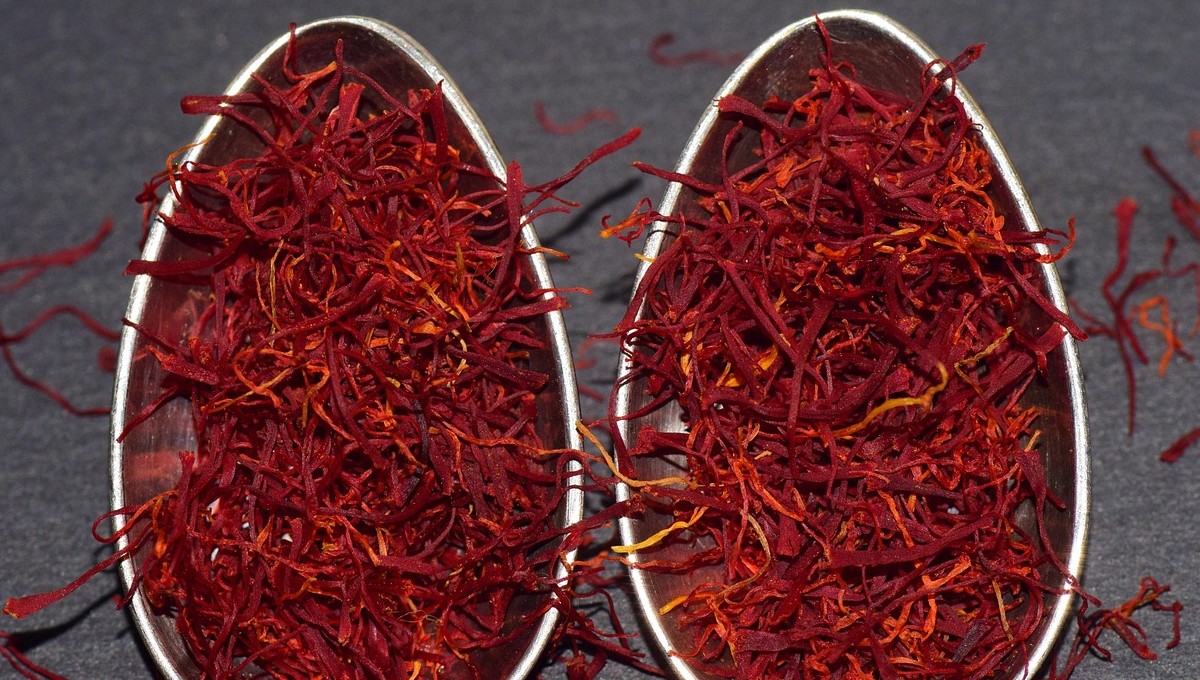
Indoor Saffron Farming Setup Cost
Indoor saffron farming is becoming popular among small growers because it allows saffron cultivation in limited space with full control over temperature and humidity. Although the initial investment is higher than open-field farming, it is mostly a one-time cost.
Initial Investment
Keep in mind that it can take several years to break even with the cost of initial setup.
A home-based indoor saffron setup can be established in a spare room or insulated space. For a small unit, the setup cost generally ranges between ₹4 lakh to ₹5 lakh.
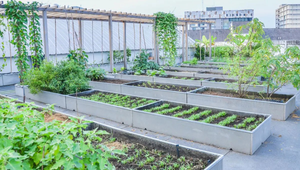
This cost mainly covers vertical racks, hydroponic trays, LED lighting, temperature and humidity control systems, insulation or a compact cold room, irrigation and misting units, and the purchase of healthy saffron corms. Once installed, the same infrastructure can be reused for several years.
Operating Cost
Indoor saffron farming has predictable running expenses. The main recurring costs include electricity for cooling and ventilation, limited labour for harvesting and stigma separation, nutrient solutions, and routine maintenance.
For a home setup, the annual operating cost usually ranges between ₹1 lakh to ₹1.8 lakh, depending on electricity usage and system efficiency. Water consumption remains low due to the hydroponic system.
Estimated Yield
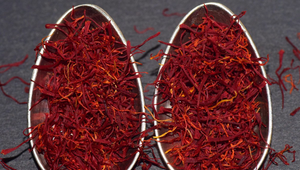
1000 kg of saffron corms can produce around 1 to 2 kg of dry saffron
A small home setup typically produces 0.3 to 0.6 kg of dry saffron per cycle
With good management, one cycle per year is common for home-based systems.
Estimated Income
Based on conservative estimates:
Gross income from 0.3 to 0.6 kg saffron: ₹2.1 lakh to ₹4 lakh per year
Annual operating cost: ₹1.2 lakh to ₹1.8 lakh
Estimated annual net profit: ₹1 lakh to ₹2.5 lakh
As the initial setup cost gets recovered over multiple cycles, profitability improves significantly in the long term. Selling value-added products like saffron tea, extracts, or cosmetic-grade saffron can further increase margins.
Sales Channels
Home-grown saffron can be sold through local gourmet stores, online platforms, or directly to consumers. Many small growers also supply to herbal, wellness, and cosmetic brands that prefer traceable, chemical-free saffron. Export becomes possible once quality standards and certifications are met.
Indoor saffron farming infrastructure may qualify for financial assistance under the Mission for Integrated Development of Horticulture (MIDH). Eligible projects can receive a credit-linked back-ended subsidy of 35% in general areas and 50% in hilly or scheduled regions, routed through State Horticulture Missions after approval.