Rooftop Gardening- Simple, Low Cost Guide
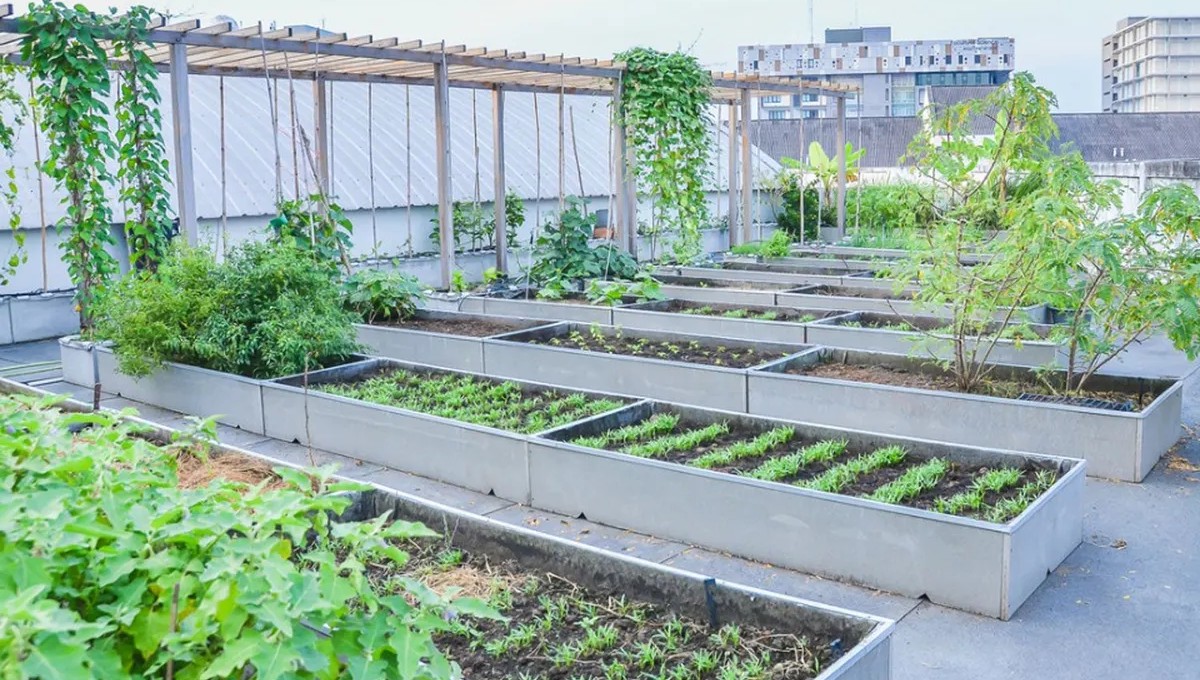
Rooftop gardening is the practice of growing plants, vegetables, or fruits on building rooftops by using containers, raised beds, or vertical systems to utilize unused urban space for food production.
Up to 90% reduction in “food miles” less food transportation means lower carbon emissions and fresher produce.
Rooftop gardens can cut building energy use by up to 25% through natural insulation from plants.
Urban agriculture can increase access to fresh vegetables and fruits by up to 60% in core city areas.
Top Benefits of Urban Rooftop Garden
1. In densely populated Indian cities with limited land, rooftops are often unused. Gardening turns rooftops into productive agricultural space, helping maximize land use efficiency without sacrificing urban infrastructure.
2. Growing your own food ensures access to pesticide‑free vegetables, herbs, fruits. You control what goes into your soil and plants which directly improves food safety and nutrition.
3. Major Environmental Benefits-
- Improve air quality by absorbing CO₂ and releasing oxygen.
- Reduce the urban heat island effect, cooling buildings naturally.
- Ease stormwater runoff and support rainwater harvesting.
4. Energy Efficiency- Green roofs function as insulation, helping reduce indoor temperatures and energy costs. Additionally, terrace farms often use rainwater harvesting or drip irrigation, saving up to 70–90% water compared to conventional farming systems.
5. Even small green patches can support bees, butterflies, birds and other beneficial organisms helping urban ecosystems thrive.
6. Gardening is therapeutic, lowering stress, encouraging movement and increasing well‑being. This makes terrace farming not just productive but also a source of urban wellness.
Before starting here are some Challenges You Must Know-
1. Not all building rooftops are built to support the added weight of soil, water, plants. Structural assessments and sometimes reinforcements are needed before installation.
2. Initial investment for waterproofing, containers, soil, irrigation, and infrastructure can be high especially for large plots.
3. Access to water and ensuring efficient drainage can be complicated in urban settings, and poor design can cause water seepage or roof damage.
4. Terraces are highly exposed to sun, wind, heavy rains and heat all of which can stress plants and affect productivity.
5. Legal Hurdles- In many urban areas, you may need permission from building management or local authorities before converting your rooftop into a garden.
How Anyone Can Start a Successful Rooftop Garden?
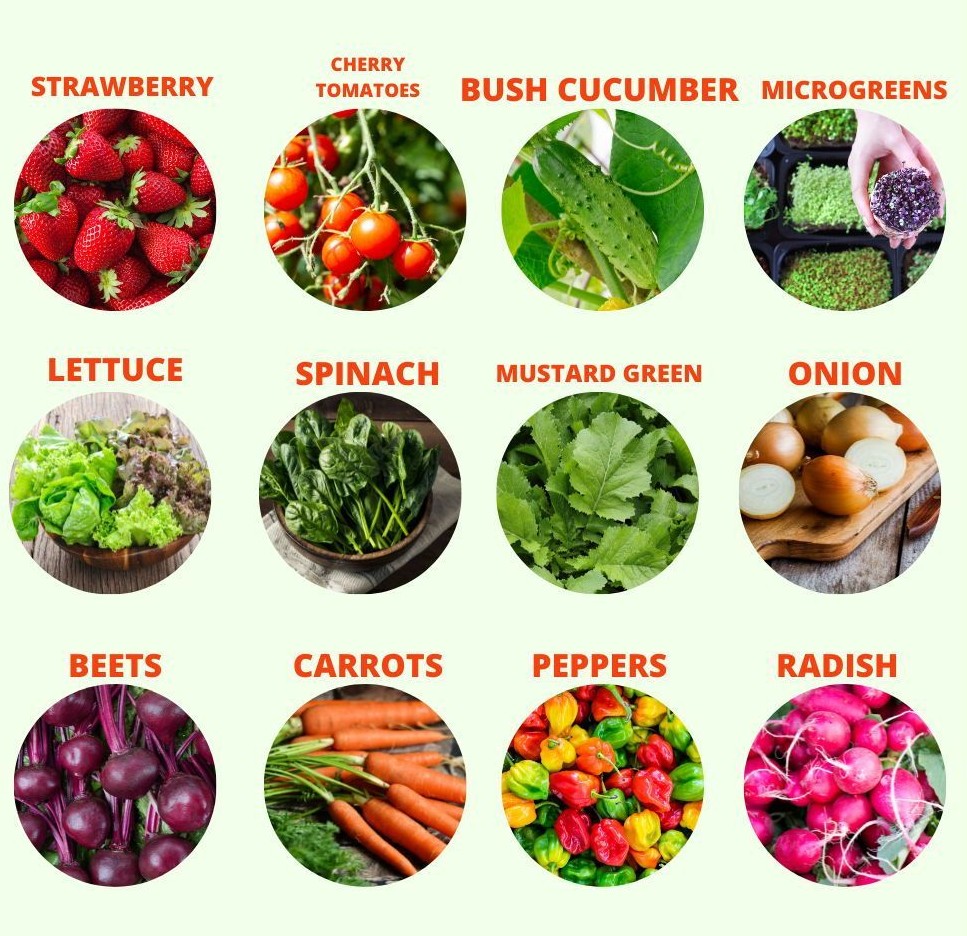
1. Choose the Right Crops Strategically
- Beginner-Friendly Options: Leafy greens (spinach, lettuce), herbs (tulsi, coriander, mint), and fast-growing vegetables (tomatoes, chilies, radishes).
- Vertical & Container-Friendly Plants: Cucumbers, beans, and tomatoes thrive in trellises or hanging pots, making the most of limited space.
- Seasonal Rotation: Plan crops according to the season to maximize yield and minimize pest issues. Consider companion planting to naturally deter pests.
2. Use High-Quality Soil & Compost
Healthy plants begin with healthy soil. Use a lightweight, nutrient-rich mix of garden soil, coco peat, compost, and perlite for optimal growth on terraces. Regularly enrich the soil with compost, vermicompost, or decomposed kitchen waste to maintain fertility. Applying organic mulch helps retain moisture, regulate temperature, and suppress weeds, creating ideal conditions for strong, productive plants.
3. Efficient Watering & Irrigation
Efficient watering is essential for a thriving terrace garden. Drip irrigation or soaker hoses deliver water directly to the roots, conserving water while keeping plants consistently hydrated. Rainwater harvesting can further reduce reliance on municipal water, making your garden more sustainable. Watering during the early morning or late evening minimizes evaporation and ensures plants remain healthy even in hot conditions. Together, these practices help maintain a productive and eco-friendly terrace farm.
4. Natural Pest & Disease Management
- Organic Pesticides: Neem oil, garlic sprays, or chili-water sprays are effective against common pests.
- Companion Planting: Plant marigolds, basil, or nasturtiums alongside vegetables to repel pests naturally.
- Physical Barriers & Traps: Use yellow sticky traps, netting, or row covers to protect crops from insects.
- Regular Monitoring: Inspect plants weekly to catch infestations early before they spread.
5. Optimize Space & Rooftop Garden Design
- Stackable Pots & Raised Beds: Use multi-level planting to increase crop density.
- Trellises & Hanging Baskets: Vertical structures allow climbing plants to grow without taking up floor space.
- Modular Planters: These allow flexibility as you can rearrange plants according to sunlight needs.
6. Connect With Local Community
Join local clubs or online forums to exchange tips, seeds, and tools. Consider communal terrace spaces or neighborhood garden initiatives for knowledge-sharing.
Urban rooftop gardens are a practical solution to many pressing issues like food security, environmental sustainability, and unutilized urban space. It empowers individuals and communities to grow healthy food, reduce environmental impact and build vibrant, green cities.
Source- WifiTalents